Prior Auth Denials Jumped 31%
CMS-0057-F was meant to simplify prior authorization, yet denials rose 31%. Why it happened, why January 1, 2027 matters most, and how to prepare with FHIR and automation.
Read article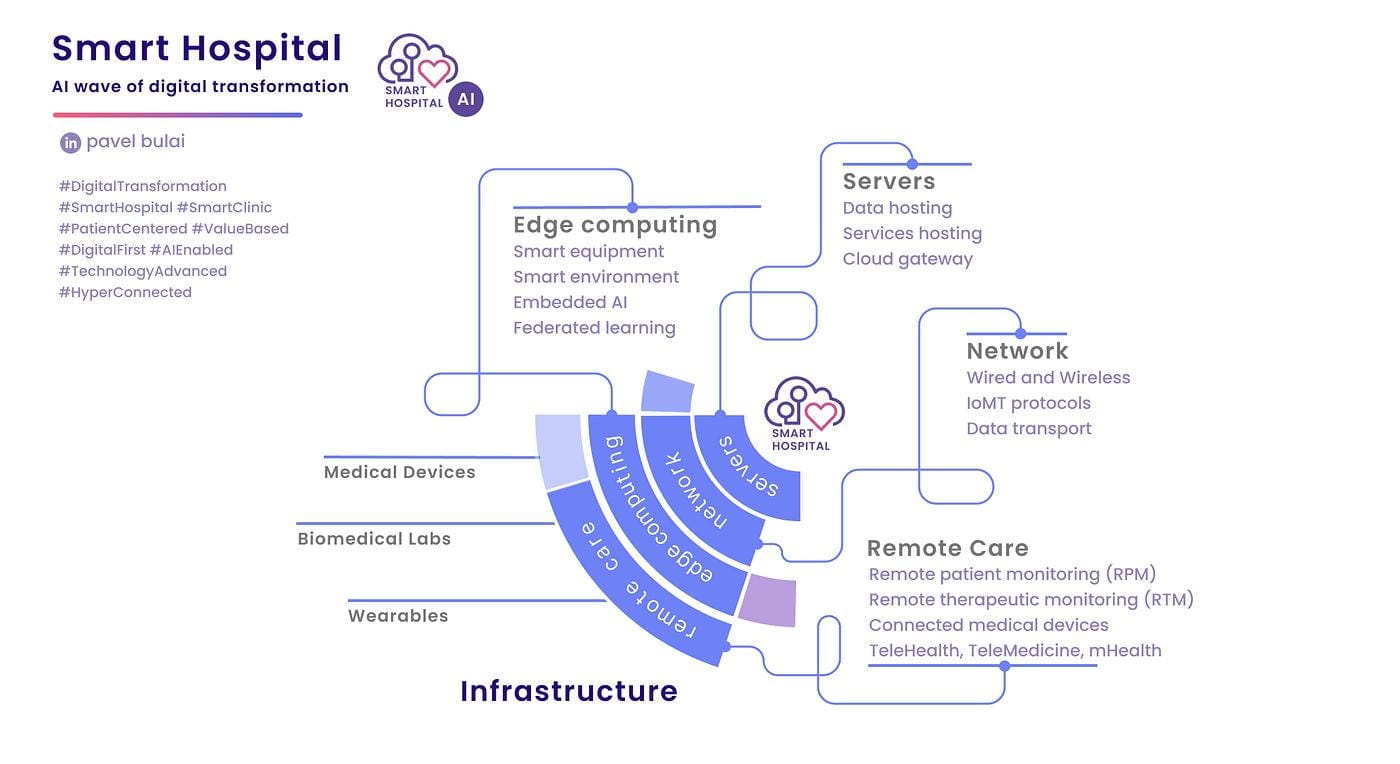
As healthcare consolidation accelerates, independent hospitals are facing a defining moment. The question is no longer whether change is coming — it's whether your organization will lead it, survive it, or become part of someone else's growth strategy.
For years, independent hospitals have been the backbone of local healthcare. They know their communities, build lasting patient relationships, and often deliver highly personalized care that large health systems struggle to match. Yet behind the scenes, a different story is unfolding.
Healthcare mergers and acquisitions keep climbing, reshaping who owns and operates local care.
Operating costs continue to rise while staff shortages remain persistent across the industry.
Regulatory requirements grow more complex every year, adding administrative weight.
Patients now expect the seamless digital experience they get from banks, airlines, and retailers.
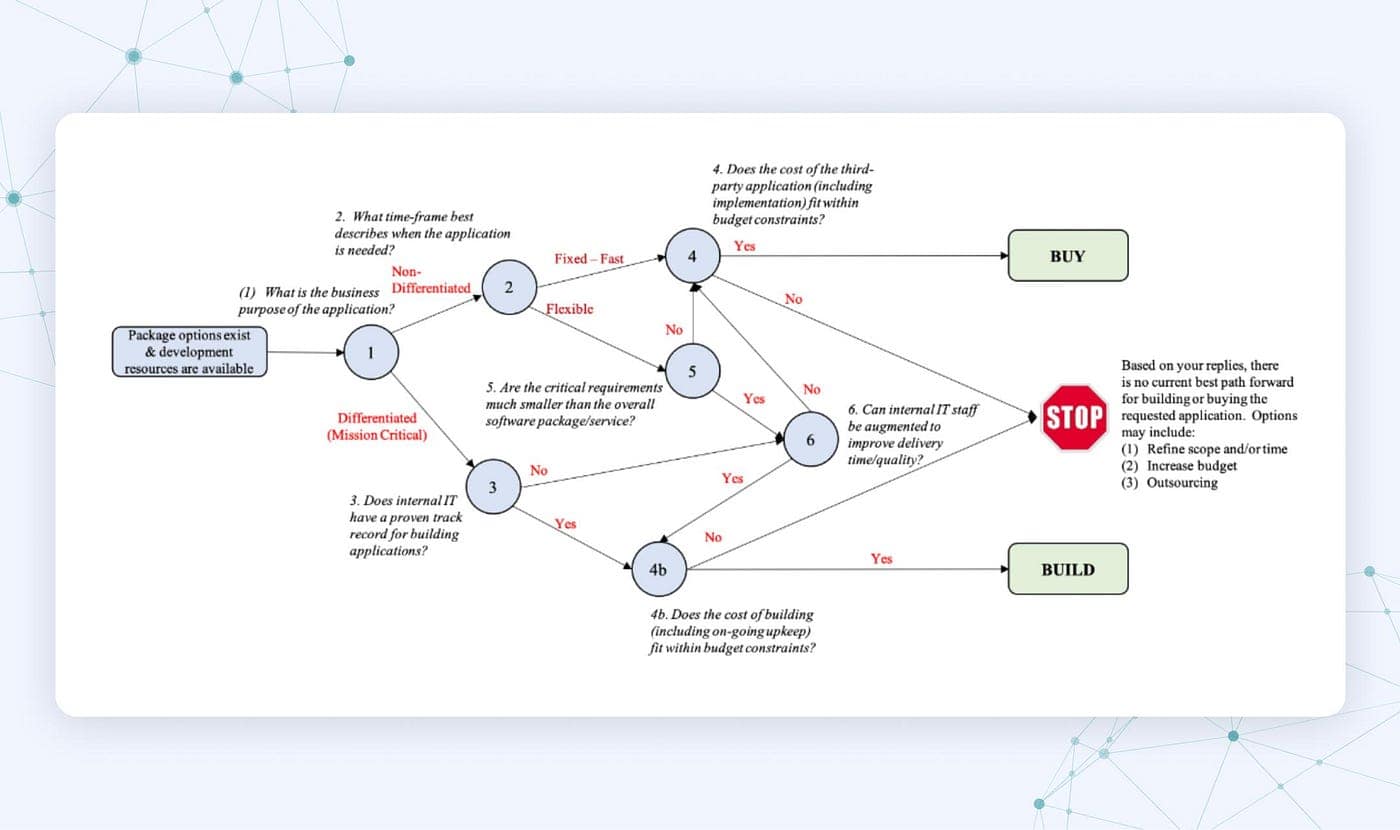
Many independent hospitals are standing at a crossroads — not because they lack clinical expertise, but because technology has become one of the biggest competitive differentiators in modern healthcare. The future increasingly comes down to three paths: buy, build, or get bought.
For many hospitals, purchasing commercial software feels like the safest option. There are solutions for nearly everything — EHR, revenue cycle management, patient portals, scheduling, telehealth, billing, analytics, and workforce management. Buying offers speed, implementation appears straightforward, and support already exists.
But buying introduces new challenges. Every additional platform creates another login, another vendor, another contract, another integration, and another recurring subscription. Over time, hospitals discover they're paying millions annually for systems that don't communicate effectively. Departments become isolated, data becomes fragmented, and clinical workflows become slower — not faster.
“Buying software solves today's problem. But without an integration strategy, it often creates tomorrow's.”
Technology should simplify healthcare. Instead, many hospitals now manage dozens of disconnected applications, which creates:
When nurses spend more time toggling between applications than caring for patients, technology has failed its purpose.
Building custom healthcare software once seemed possible only for massive health systems. That assumption no longer holds true. Modern cloud infrastructure, AI-assisted development, APIs, and interoperability standards have significantly reduced the barriers. Today, independent hospitals can create solutions tailored to their own workflows rather than forcing clinicians to adapt to generic software.
Eliminate unnecessary features
Connect existing systems
Automate repetitive processes
Improve clinician productivity
Create better patient experiences
Maintain ownership of strategic technology
Most importantly, custom software evolves alongside the organization instead of forcing the organization to evolve around software limitations.
One of the biggest misconceptions is that building means replacing everything. It doesn't. Successful hospitals modernize incrementally — they keep what works, replace what doesn't, integrate legacy systems, automate manual workflows, and improve patient and staff experiences step by step.
Digital transformation isn't a single project. It's a long-term operating strategy.
Sometimes acquisition is the right decision. Joining a larger health system can provide greater purchasing power, expanded specialist networks, capital investment, operational support, and broader geographic reach.
But acquisitions often happen because independent organizations lose the ability to compete — not because they planned to sell. Hospitals that delay modernization may eventually discover that acquisition is no longer a strategic option. It becomes the only option.
Technology rarely causes acquisitions directly. But outdated technology accelerates financial pressure, operational inefficiencies, and declining competitiveness.
Historically, software decisions belonged to the IT department. Today they're boardroom conversations, because technology now influences revenue, patient retention, physician satisfaction, compliance, operational efficiency, cybersecurity, and financial sustainability. The CEO, CFO, COO, and clinical leadership all care. Technology has become business strategy.
Independent hospitals still possess something invaluable: community trust, clinical expertise, and local relationships. Those strengths remain powerful — but in today's healthcare environment, trust alone isn't enough.
The organizations that thrive over the next decade won't necessarily be the largest. They'll be the ones that make deliberate, strategic decisions about technology today. Whether the path is to buy, build, or eventually join a larger system, one thing is clear: the cost of standing still is rising. Modernization is no longer a competitive advantage — it's becoming a prerequisite for independence.
At Bytechnik, we help healthcare organizations modernize legacy systems, streamline operations, and build scalable digital solutions that support better patient care. Let's map the path that fits your hospital.
Book a 30-min Strategy CallExplore Healthcare SoftwareContinue exploring this topic with more articles from the same series.
CMS-0057-F was meant to simplify prior authorization, yet denials rose 31%. Why it happened, why January 1, 2027 matters most, and how to prepare with FHIR and automation.
Read articleCongress advanced 15 bipartisan health bills and CMS launched retrospective GLP-1 authorization. Why prior authorization reform is really a technology challenge—and how to prepare.
Read articlePurpose-built EMR: clinical workflows, HIPAA-aware design, FHIR interoperability, and AI-ready architecture for modern care delivery.
Read articlePart of our Healthcare Technology series
EMR, EHR, telehealth, and HIPAA-aware healthcare software. Explore the full service and scope a first engagement with our team.
Continue exploring this topic with more articles from the same series.
CMS-0057-F was meant to simplify prior authorization, yet denials rose 31%. Why it happened, why January 1, 2027 matters most, and how to prepare with FHIR and automation.
Read articleCongress advanced 15 bipartisan health bills and CMS launched retrospective GLP-1 authorization. Why prior authorization reform is really a technology challenge—and how to prepare.
Read articlePurpose-built EMR: clinical workflows, HIPAA-aware design, FHIR interoperability, and AI-ready architecture for modern care delivery.
Read article