AI Implementation Strategies for Enterprises
Plan, pilot, and scale enterprise AI with readiness assessments, data strategy, infrastructure, and ROI tracking—Bytechnik LLC guide.
Read article
Imagine investing months into building an AI solution. Your team collects data. Engineers train powerful machine learning models. Executives approve the budget. The demo impresses everyone.
Then… nothing happens. The AI model never reaches real customers.
Unfortunately, this isn't unusual. Industry studies consistently show that most AI initiatives never make it into production. They remain stuck as proofs of concept (POCs), internal experiments, or abandoned prototypes.
So why does this happen? More importantly — how do successful companies avoid becoming part of that statistic? Let's explore.
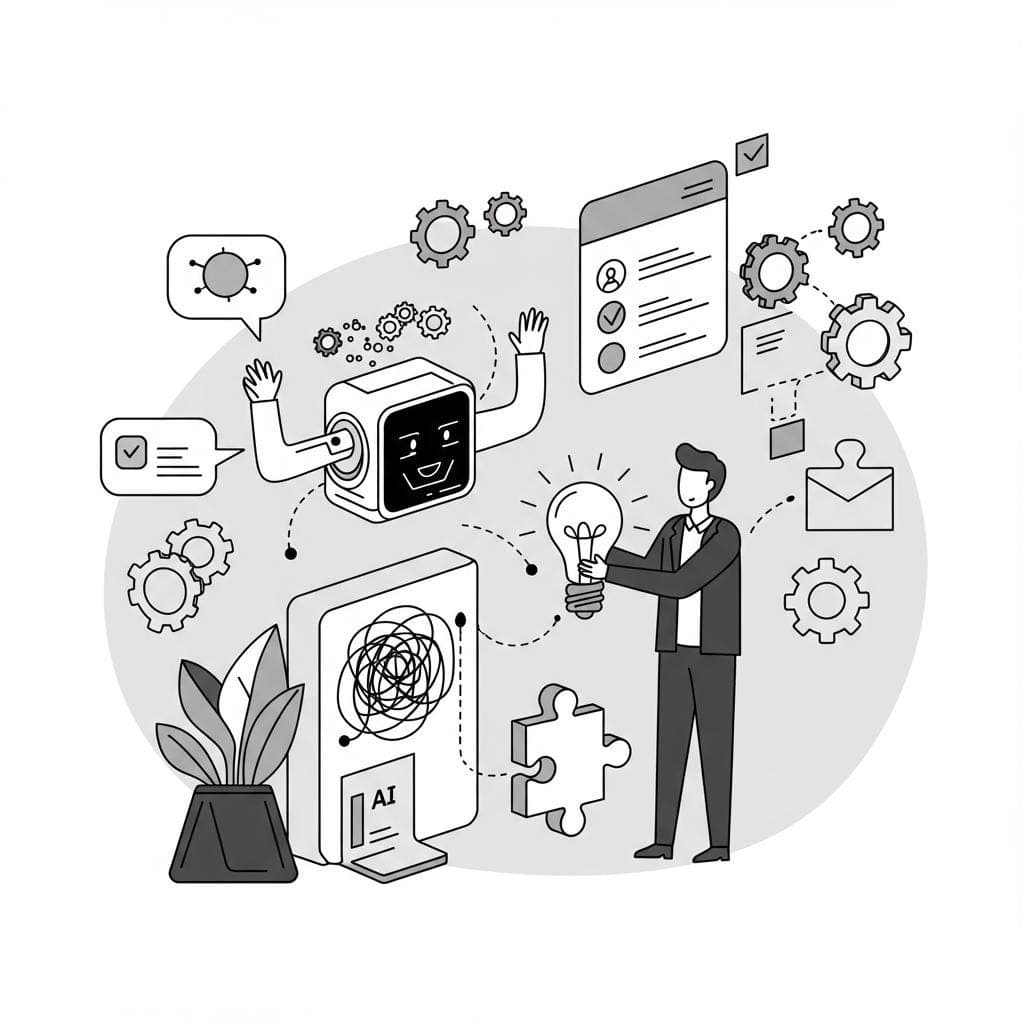
One of the biggest mistakes organizations make is starting with AI instead of the problem. They ask “Where can we use AI?” instead of asking “Which business challenge should AI solve?”
Successful companies begin with measurable objectives such as:
Technology should support business goals — not replace them.
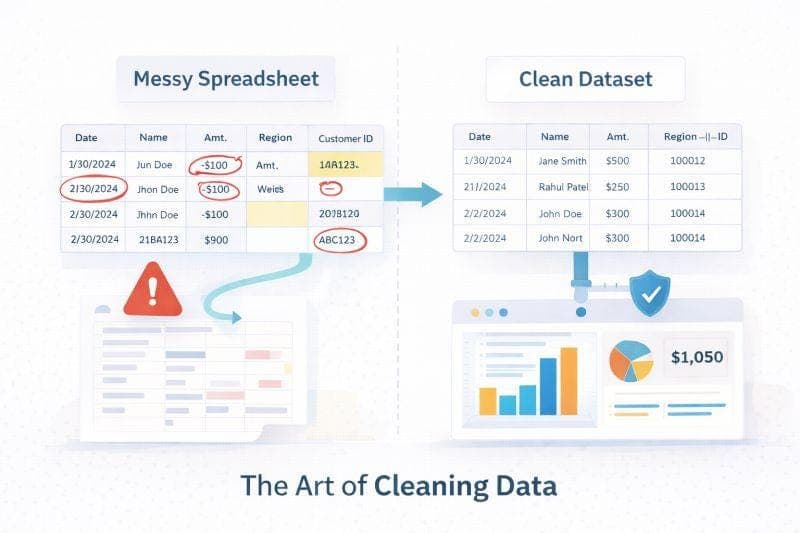
AI learns from data. If your data is incomplete, duplicated, inconsistent, or outdated, your AI system will produce unreliable results. Common data issues include:
Missing records
Duplicate entries
Incorrect labels
Different formats
Lack of governance
High-performing AI companies invest heavily in data preparation before model development.
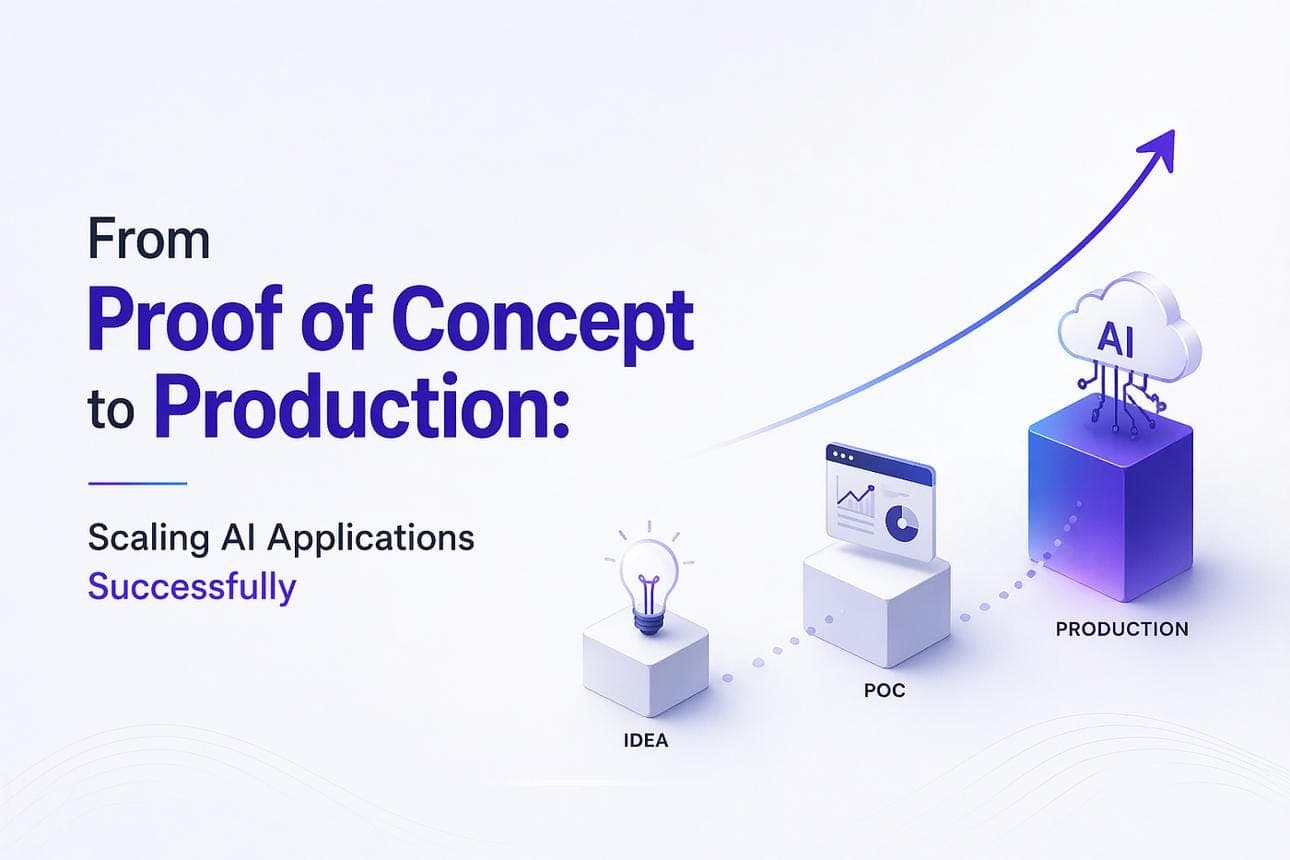
Many organizations celebrate building an AI prototype. But production requires much more than a working model. You also need:
A successful AI product combines machine learning with strong software engineering.

Successful AI projects involve multiple teams working together. These include business leaders, product managers, software engineers, data scientists, QA engineers, security specialists, and end users.
Without collaboration, even technically strong AI solutions often fail to deliver value.
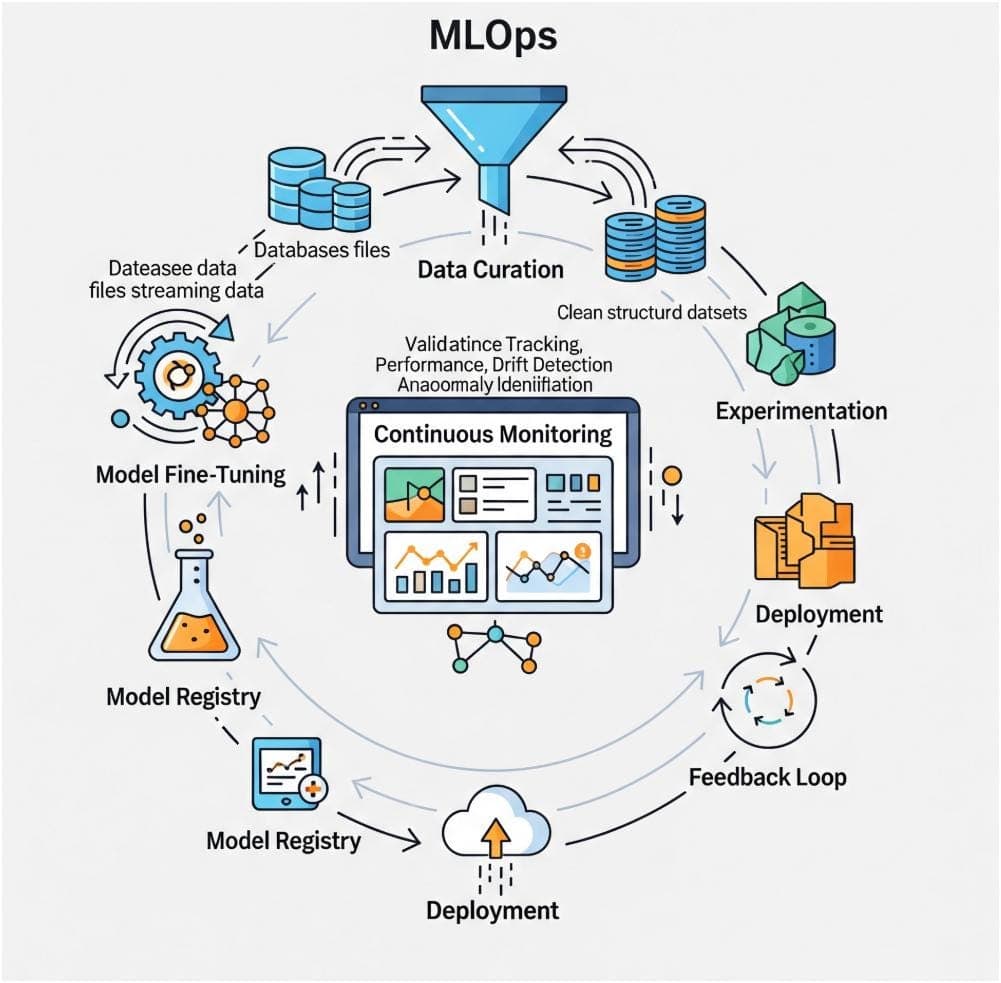
Launching an AI model isn't the finish line. Models degrade over time because customer behavior changes, market conditions evolve, and data distributions shift. This phenomenon is called model drift.
Companies succeeding with AI continuously monitor performance, retrain models, track accuracy, and automate deployments.
This is why MLOps has become essential.
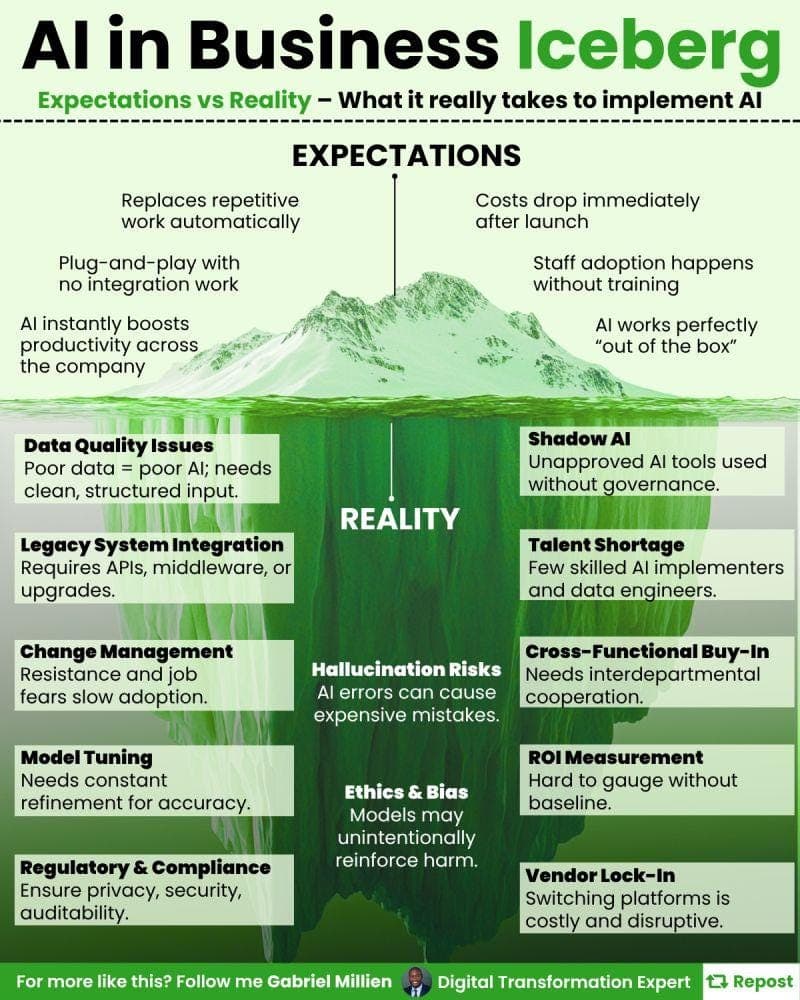
Many executives expect AI to transform their company overnight. Reality is different. Successful organizations start with small projects, measure results, learn quickly, and expand gradually.
AI success is built through continuous improvement — not one massive deployment.
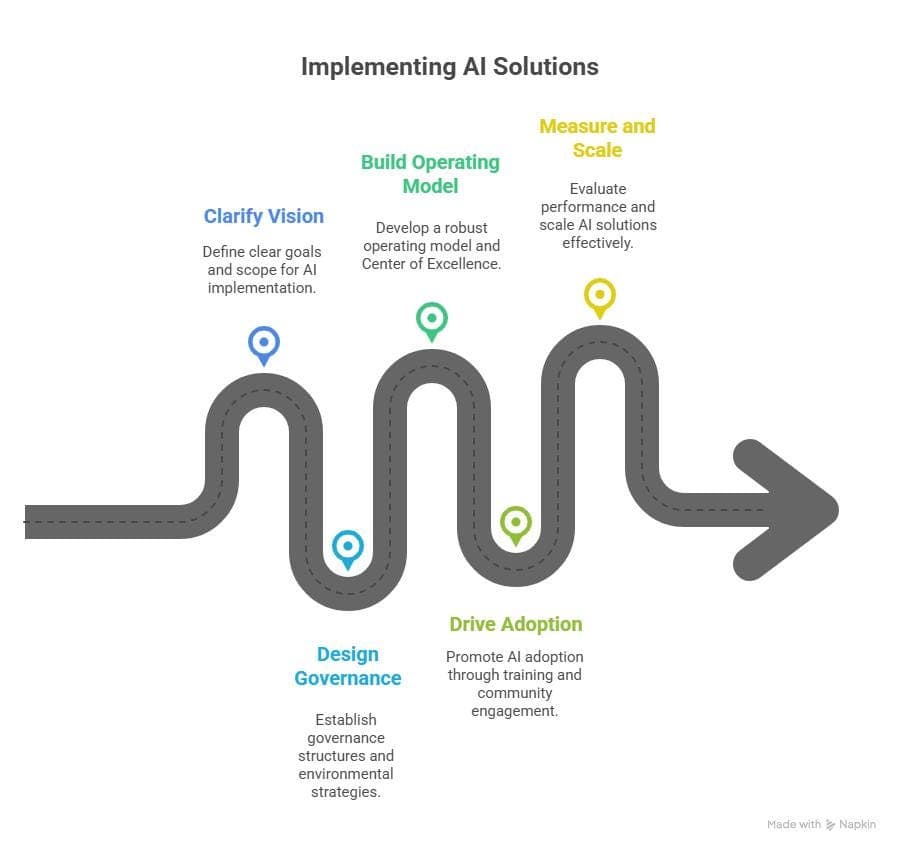
Instead of chasing hype, leading organizations follow a structured roadmap:
They treat AI as a long-term capability rather than a one-time experiment.

The difference between failed AI projects and successful ones isn't usually the algorithm. It's the strategy, data, engineering, collaboration, and execution behind it.
Organizations that align AI with real business goals, invest in strong data foundations, and build scalable deployment processes are far more likely to move from experimentation to production — and generate measurable business value.
Bytechnik builds AI solutions with the data pipelines, MLOps, and engineering discipline it takes to actually ship — not just demo. Let's scope the path to production.
Book a 30-min Strategy CallExplore AI DevelopmentContinue exploring this topic with more articles from the same series.
Plan, pilot, and scale enterprise AI with readiness assessments, data strategy, infrastructure, and ROI tracking—Bytechnik LLC guide.
Read articleWhere AI and automation create real ROI today, why most initiatives fail, workforce augmentation vs. replacement, and a phased roadmap Bytechnik uses with clients.
Read articleHow NLP powers intelligent chatbots for personalized, always-on support—strategy and best practices.
Read articlePart of our AI Development series
Machine learning, NLP, and automation for production workloads. Explore the full service and scope a first engagement with our team.
Continue exploring this topic with more articles from the same series.
Plan, pilot, and scale enterprise AI with readiness assessments, data strategy, infrastructure, and ROI tracking—Bytechnik LLC guide.
Read articleWhere AI and automation create real ROI today, why most initiatives fail, workforce augmentation vs. replacement, and a phased roadmap Bytechnik uses with clients.
Read articleHow NLP powers intelligent chatbots for personalized, always-on support—strategy and best practices.
Read article