Microservices for Enterprise Apps
Boundaries, APIs, and deployment patterns so platforms scale teams and services without bottlenecks—in CA and USA.
Read articleAI can write code in seconds — but shipping secure, scalable, production-ready software still requires engineering excellence.

Just a year ago, building software required hours of planning, designing, coding, debugging, and testing before anything meaningful appeared on the screen. Today, the process looks completely different.
A developer can simply open an AI coding assistant and type: “Build me a SaaS dashboard with authentication, Stripe payments, user management, and analytics.” Within minutes, thousands of lines of code appear. It feels almost magical.
This new style of software development has become known as Vibe Coding — where developers collaborate with AI using natural language instead of writing every line of code themselves. For startups, freelancers, solo developers, and engineering teams, the productivity gains are enormous. Tools such as GitHub Copilot, Cursor, Claude, ChatGPT, and Windsurf are dramatically reducing development time.
“Generating code is no longer the hardest part of software development. Shipping reliable software is.”
There's an enormous difference between software that works on your laptop and software trusted by thousands — or even millions — of users every day. That gap is where engineering discipline matters. In this article, we'll explore why AI-generated code isn't enough, the hidden risks of relying solely on AI, and the practical steps needed to transform AI-built applications into production-ready systems.
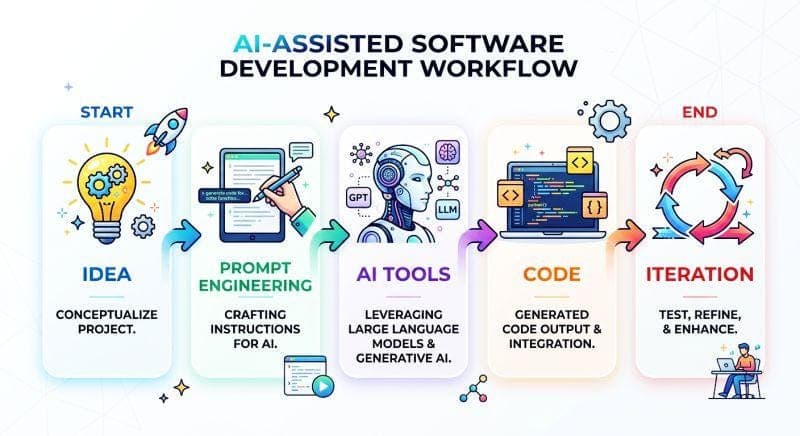
The phrase “Vibe Coding” has become increasingly popular in the AI development community. Instead of spending hours writing code manually, developers describe what they want in plain English, and AI generates the implementation. For example:
AI handles repetitive coding tasks, allowing developers to focus more on product ideas than syntax. This shift is making coding faster, more accessible, and more collaborative. However, speed can create a dangerous illusion:
If the application works today, it must be ready for production. Unfortunately, that's rarely true.
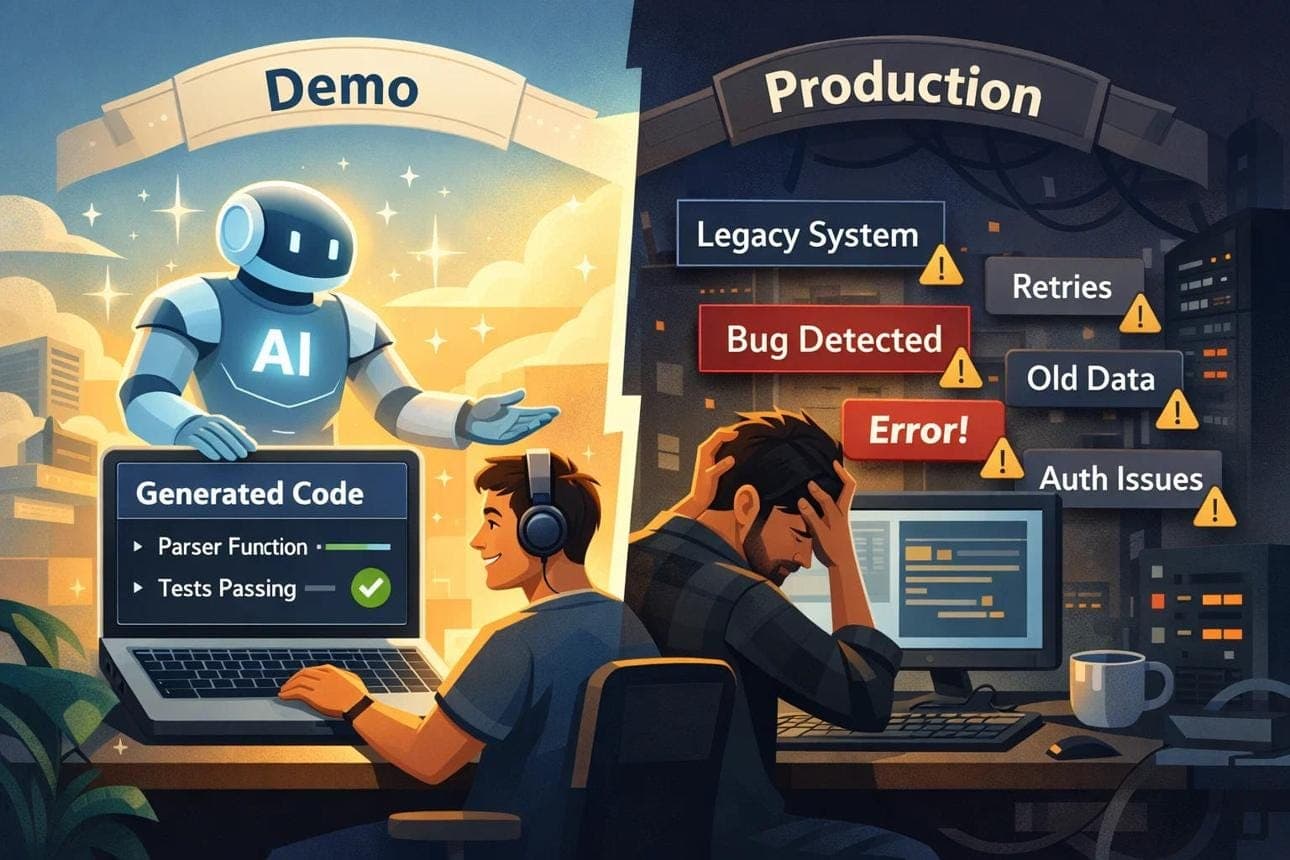
Many AI-generated applications look impressive during demonstrations. Buttons respond instantly, pages load correctly, the database connects, and authentication works. Everything appears perfect. But production environments introduce challenges that prototypes never experience.
Real users don't behave predictably. Servers crash. Traffic spikes unexpectedly. APIs become unavailable. Databases slow down. Security threats appear every minute. An application that performs flawlessly for one developer may fail under the pressure of thousands of simultaneous users.
That's why software engineering extends far beyond simply writing code.
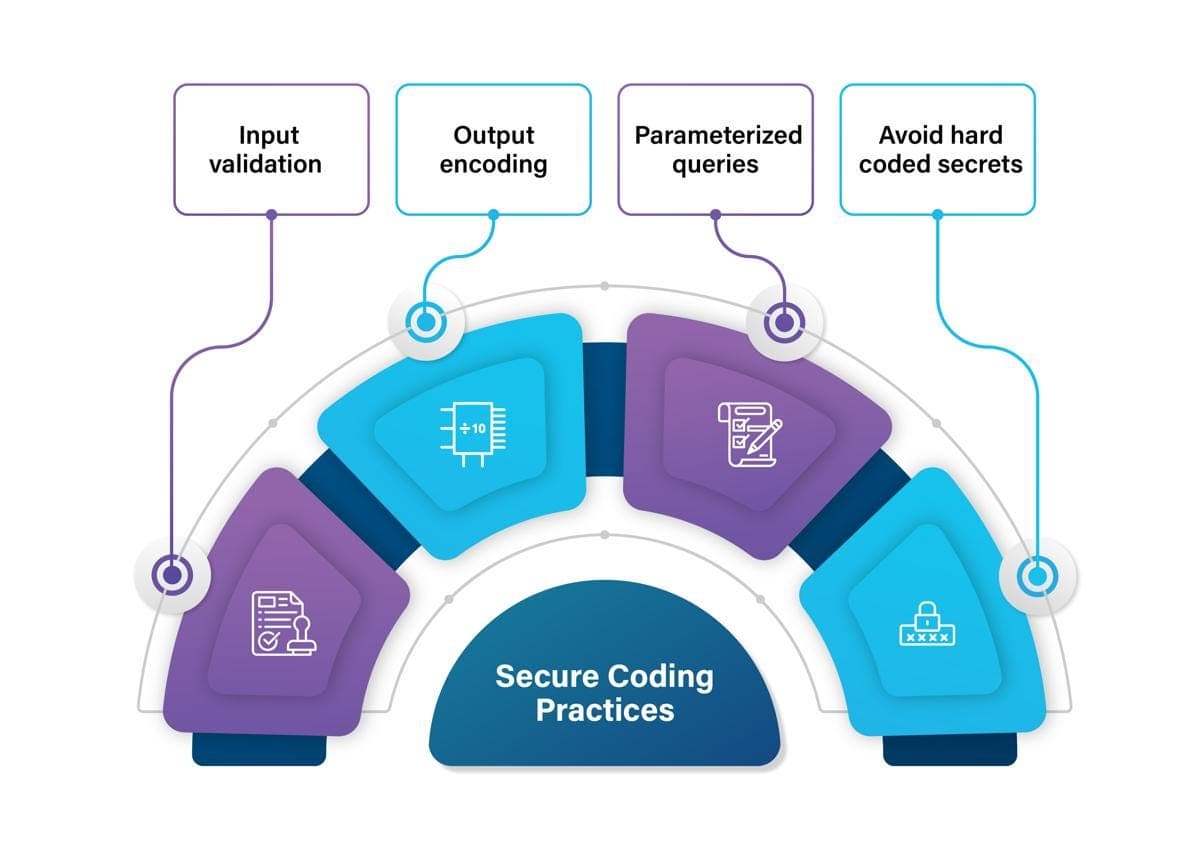
One of the biggest misconceptions about AI-generated code is assuming that working code is secure code. AI can generate authentication systems, APIs, and database queries quickly — but it may also introduce hidden vulnerabilities. Common risks include:
SQL Injection
Cross-Site Scripting (XSS)
Cross-Site Request Forgery (CSRF)
Broken Authentication
Weak Password Storage
Hardcoded API Keys
Missing Authorization Checks
Insecure File Uploads
Security isn't just about preventing hackers. It's about protecting customer trust, business reputation, and sensitive data. Every production application should undergo code reviews, vulnerability scanning, penetration testing, dependency updates, secret management, and security monitoring.
AI can assist with secure coding, but responsibility still belongs to engineers.
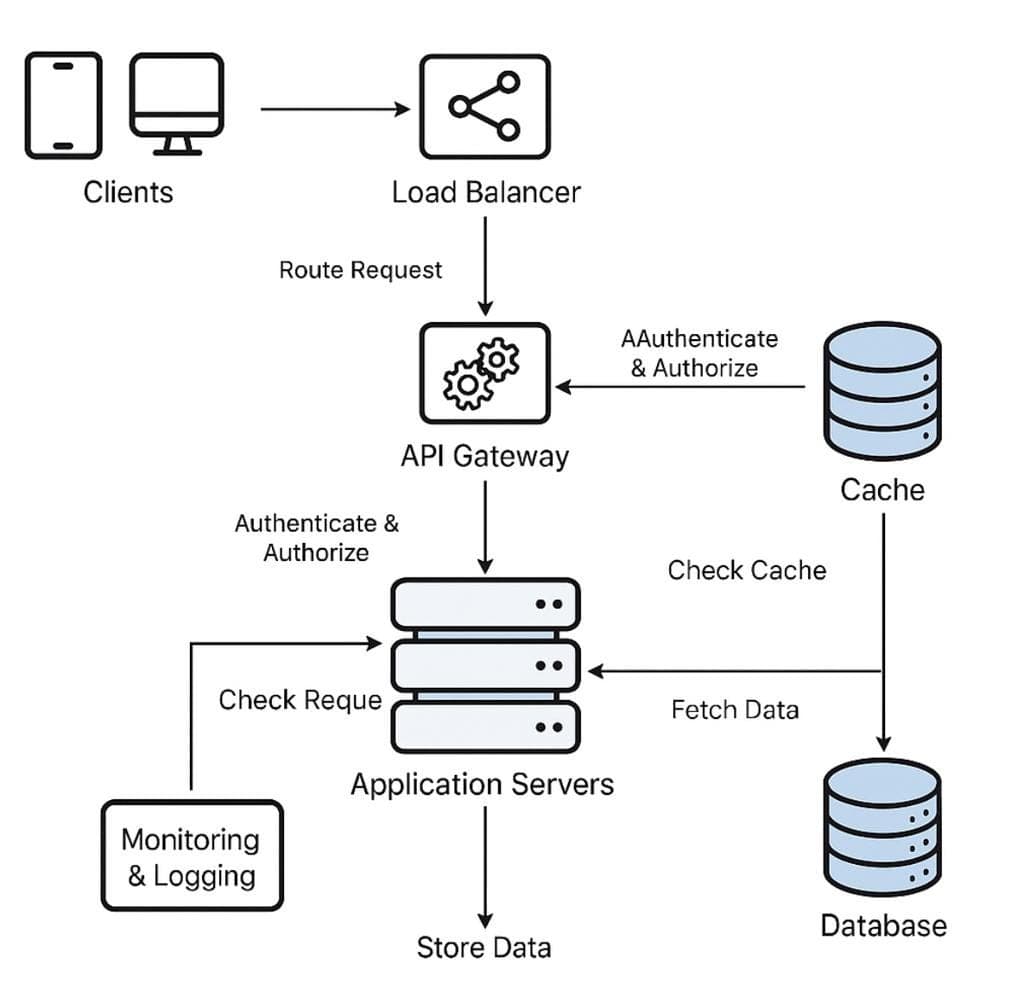
A prototype often serves one user. Production software may serve one million. As user traffic grows, systems face database bottlenecks, high CPU usage, memory leaks, slow APIs, queue overload, and network latency.
Production-ready applications rely on load balancing, distributed caching, database indexing, CDN integration, horizontal scaling, and microservices where appropriate.
Scalability isn't something you add after success. It should be considered from the beginning.
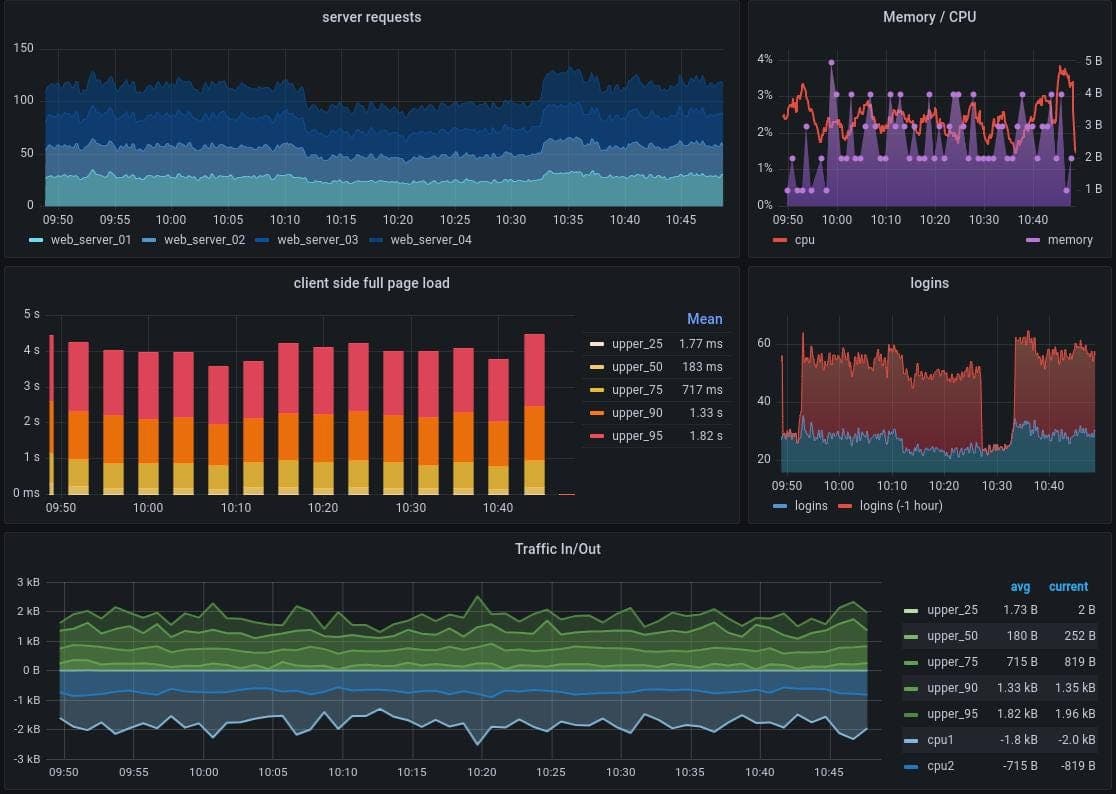
Imagine a customer reports: “Your website is loading slowly.” Without proper monitoring, you're left guessing. Production systems require visibility through application logs, metrics, distributed tracing, performance dashboards, error tracking, and real-time alerts.
Tools like Grafana, Prometheus, Datadog, and New Relic help engineering teams identify and resolve issues before users are affected.
Observability turns reactive firefighting into proactive maintenance.
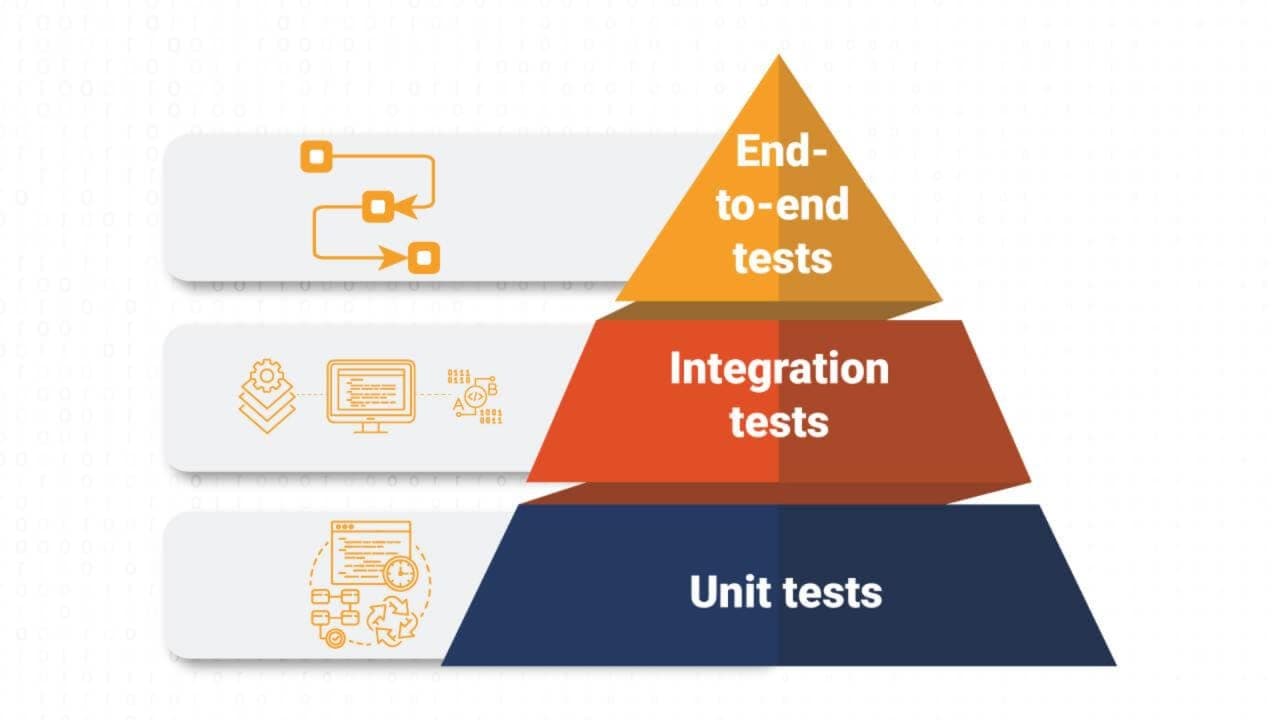
AI can generate test cases — but it cannot guarantee comprehensive coverage. A robust testing strategy includes:
Unit Testing
Integration Testing
API Testing
UI Testing
Regression Testing
Performance Testing
Security Testing
Accessibility Testing
Automated testing ensures that new features don't break existing functionality and provides confidence during deployments.
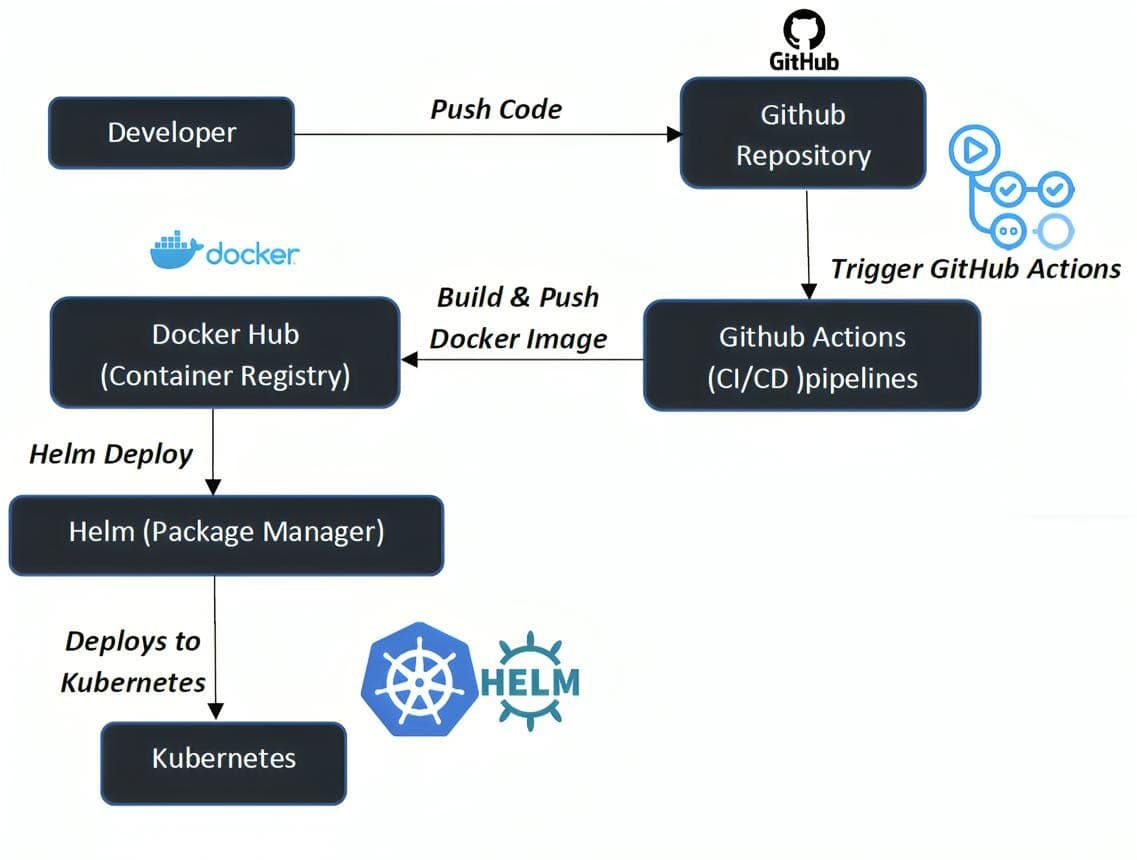
Modern software development relies on automation to ensure consistency and speed. A typical CI/CD pipeline includes:
Automation reduces human error and enables teams to deliver updates quickly and safely.
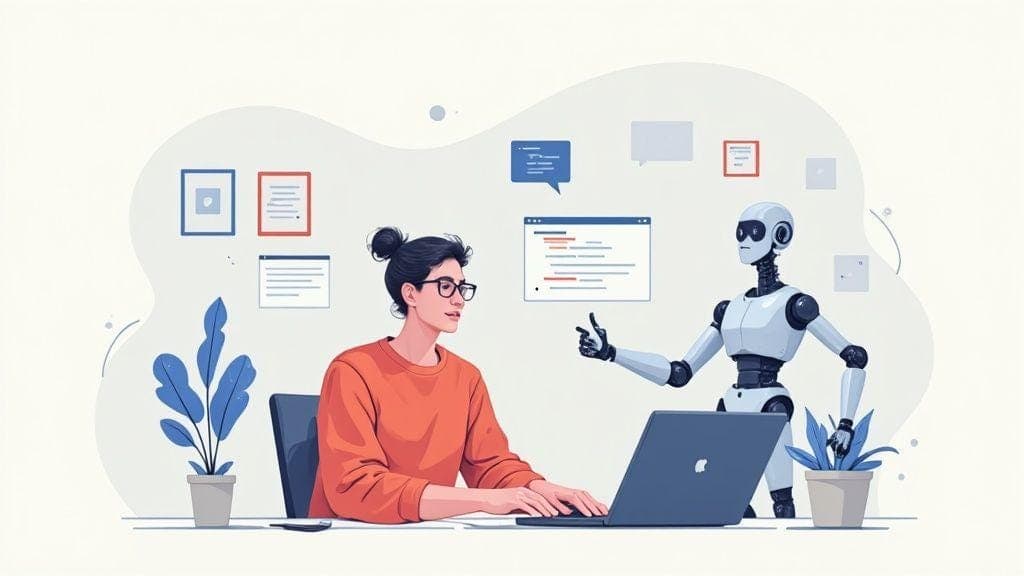
AI is changing how software is built — but it isn't replacing the need for engineering judgment. The most successful teams will use AI to accelerate repetitive tasks while relying on experienced engineers to make critical decisions about architecture, security, scalability, and long-term maintainability.
The future isn't AI versus developers. It's AI empowering developers to build better software faster.
Bytechnik pairs AI-accelerated development with the engineering discipline that makes software secure, scalable, and reliable at scale. Let's harden your app for production.
Book a 30-min Strategy CallExplore Our ServicesContinue exploring this topic with more articles from the same series.
Boundaries, APIs, and deployment patterns so platforms scale teams and services without bottlenecks—in CA and USA.
Read articleHow API-first design improves scalability, maintainability, and integration across enterprise systems—Bytechnik LLC perspective.
Read articleChoose the right API style for your stack: tradeoffs, tooling, and patterns for modern application development.
Read articlePart of our Software Development series
Custom software, APIs, and modernization for US enterprises. Explore the full service and scope a first engagement with our team.
Continue exploring this topic with more articles from the same series.
Boundaries, APIs, and deployment patterns so platforms scale teams and services without bottlenecks—in CA and USA.
Read articleHow API-first design improves scalability, maintainability, and integration across enterprise systems—Bytechnik LLC perspective.
Read articleChoose the right API style for your stack: tradeoffs, tooling, and patterns for modern application development.
Read article